Home Security Camera Systems & Installation Information
Explore home security camera options, outdoor monitoring solutions, video doorbells, and installation information to help you make an informed decision about residential security.
Speak with an independent third-party provider about available systems.
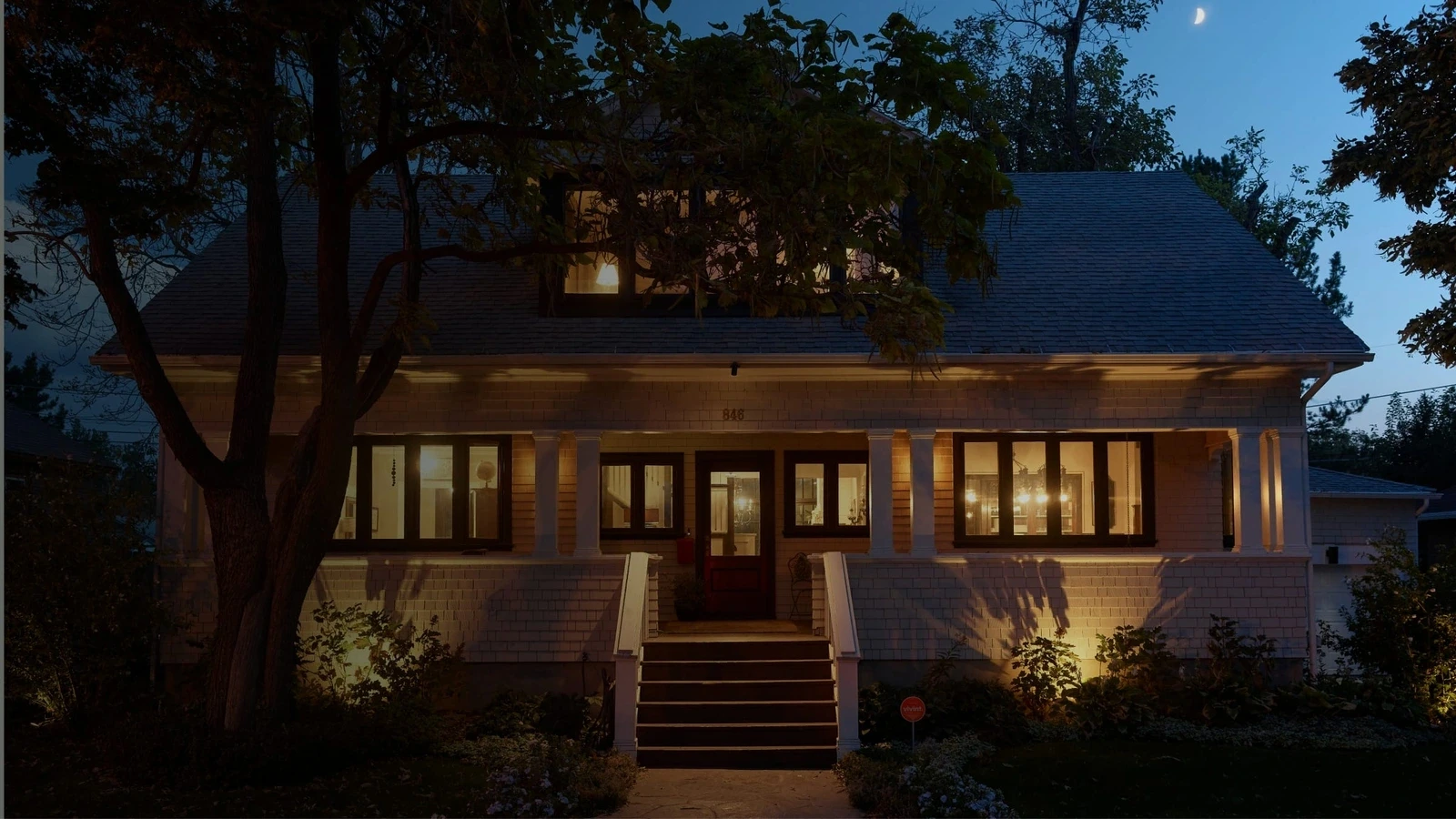
Understanding Home Security Camera Systems
Home security camera systems are designed to help homeowners observe activity around their property, deter unwanted visitors, and maintain awareness of entrances, driveways, and interior spaces. Depending on the property layout and individual preferences, homeowners may choose a single camera for a primary entrance or a multi-camera setup covering the full perimeter.
Before selecting a system, it is helpful to evaluate the physical layout of your residence and how you intend to use the cameras day to day. Important planning considerations often include:
- Primary coverage zones: Identifying front doors, back entrances, garages, driveways, and ground-floor windows that benefit from visual coverage.
- Power and connectivity: Deciding between wired power connections, Power over Ethernet setups, or battery-powered wireless units depending on structural access.
- Video storage preferences: Reviewing whether local storage, network video recorders, or cloud-based storage options are offered with a given system.
- Property lighting conditions: Checking exterior lighting around entryways and yards to determine where low-light visibility features are most useful.

Home Security System Features to Consider
Modern residential security systems vary by equipment type and provider offering. Depending on the selected system, available capabilities may include a combination of hardware and software tools intended to make property awareness more convenient.
Indoor & Outdoor Cameras
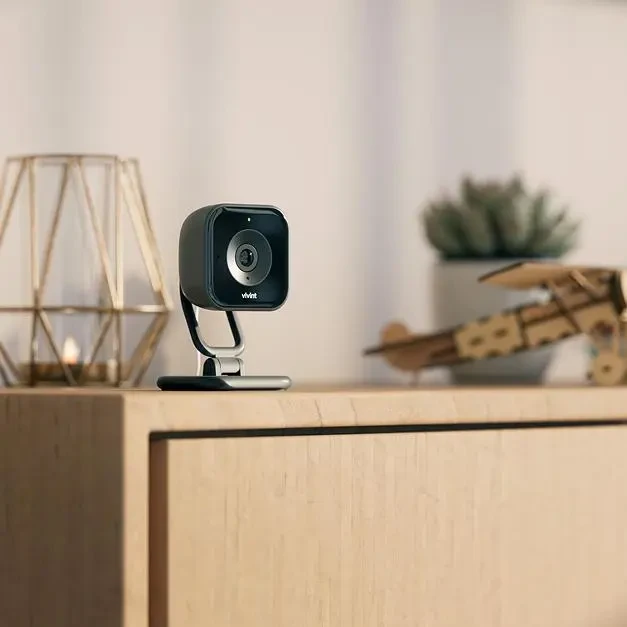
Systems may include compact indoor cameras for common areas alongside exterior cameras built for outdoor placement.
Video Recording
Depending on the configuration, cameras may support event-triggered clips or continuous recording to local or remote storage.
Mobile App Access
Where supported, companion mobile applications may allow homeowners to check system status and manage settings from a smartphone.
Motion Detection
Where supported, motion-sensing technology may trigger recording or send activity alerts when movement occurs within a camera frame.
Night Vision
Where supported, infrared or low-light imaging helps cameras capture clearer footage during evening and overnight hours.
Remote Viewing
Where supported by an internet connection and service plan, authorized users may view live or recorded video feeds away from home.
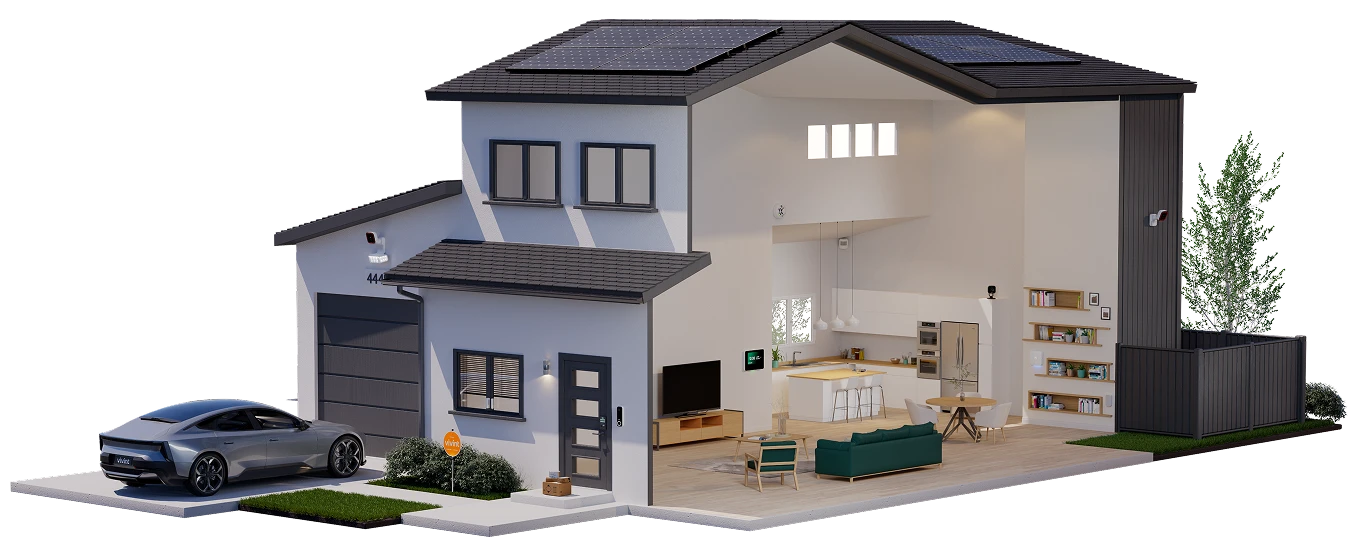
Camera Options, Placement & Coverage Planning
Selecting the right combination of cameras involves matching camera form factors, mounting locations, and recording options to the layout of your home.
Camera Placement & Mounting
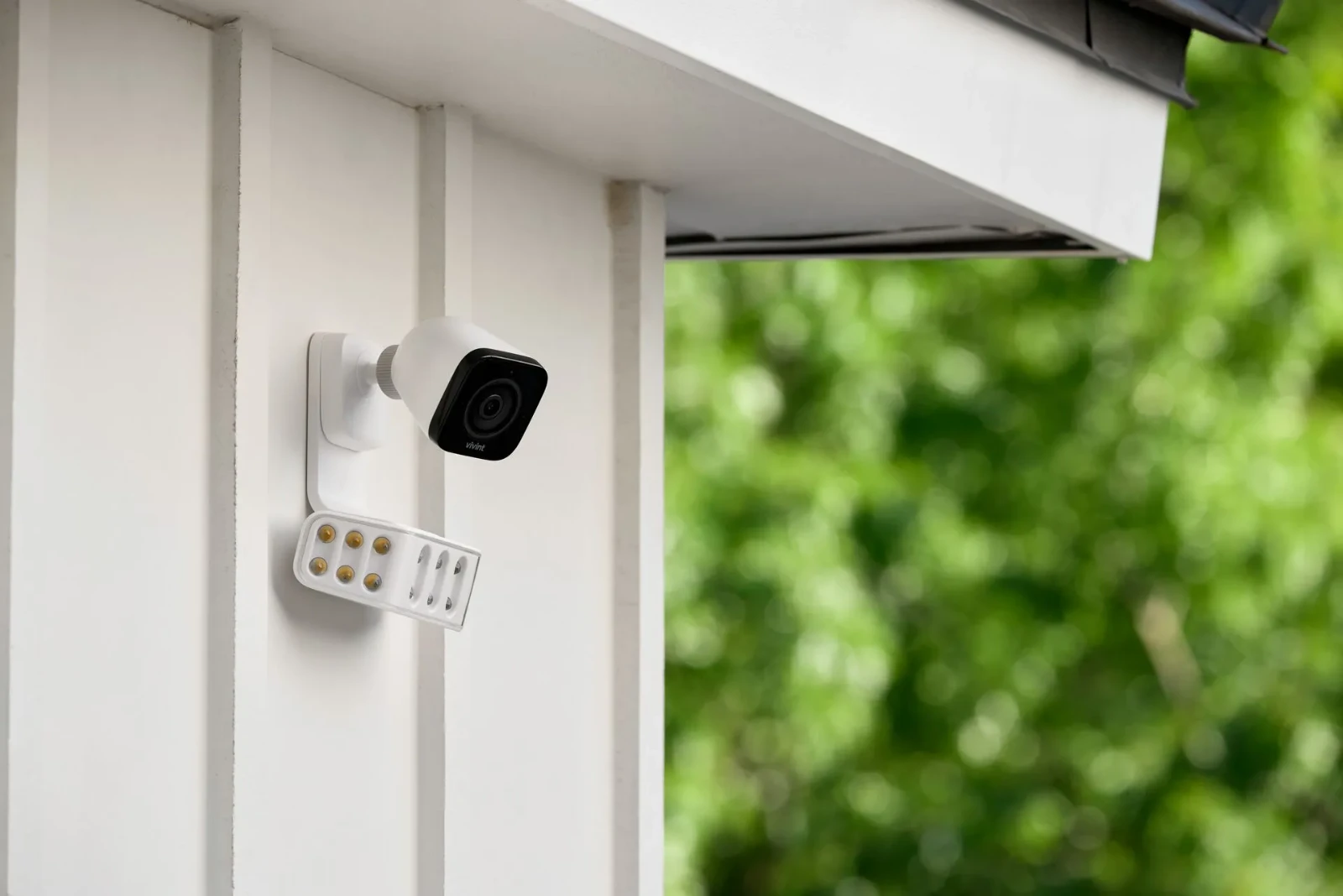
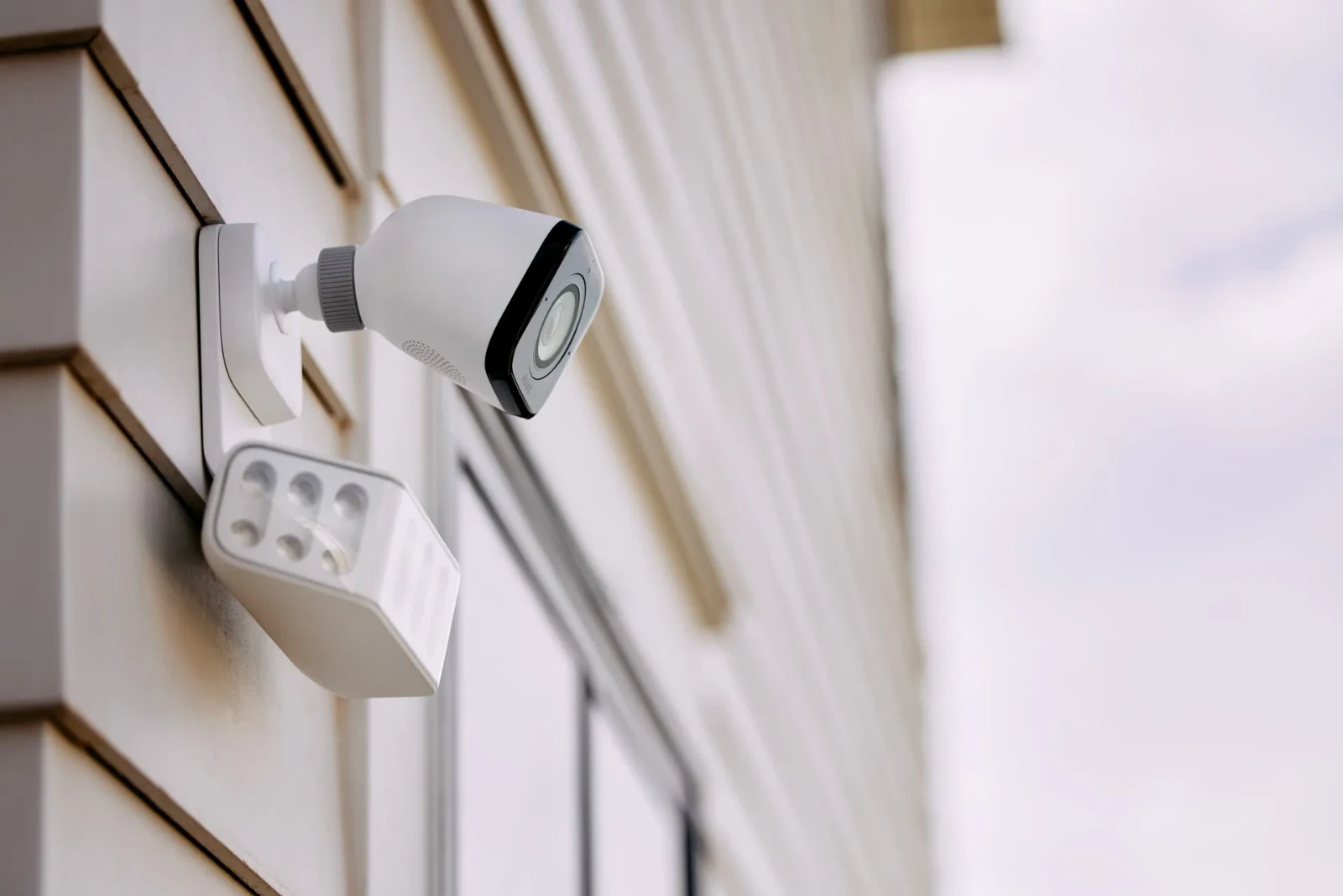
Proper placement helps reduce blind spots and glare. Cameras are commonly positioned near entry doors, garage approaches, and side gates at heights that offer clear sightlines while remaining out of easy reach. Evaluating wall materials, power outlets, and Wi-Fi signal strength helps determine which mounting style fits best.
Coverage Areas & Sightlines
Different camera designs serve different viewing needs. Fixed wide-angle cameras are often used to monitor broad spaces such as yards and driveways, while directional or adjustable units may focus on narrow walkways, porches, or interior hallways. Planning sightlines carefully also helps respect neighboring properties.
Recording & System Scaling
When comparing equipment options, consider how footage is stored and whether a system can expand over time. Some setups operate independently on a per-camera basis, while multi-camera systems unify feeds into a single interface. Storage retention policies and access options vary depending on the system chosen.
Smart Video Doorbell Cameras
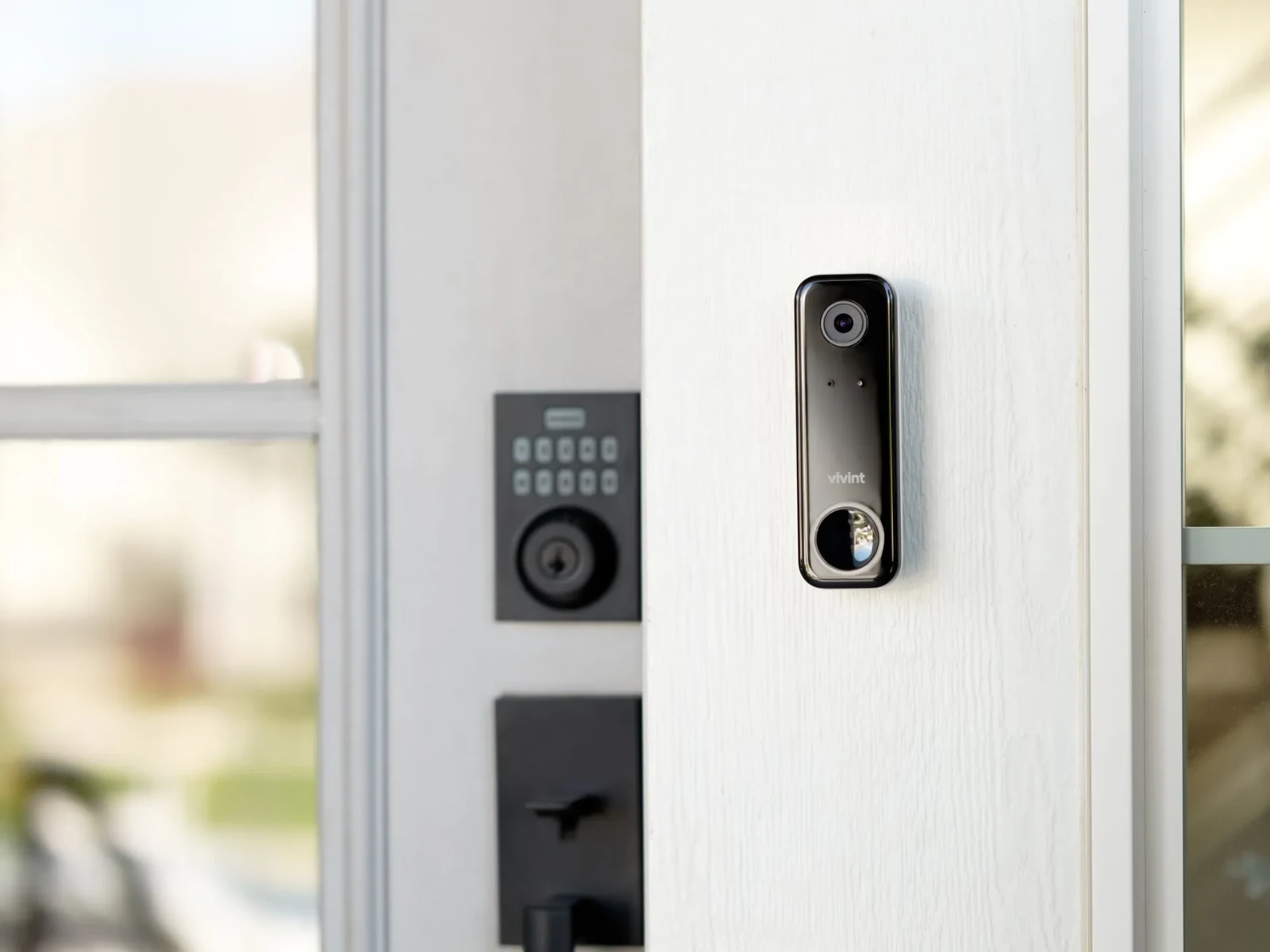
A video doorbell camera combines a traditional front-door chime button with an integrated camera aimed at your porch or entryway. Its primary purpose is to give residents visibility at the main entrance—helping you see who is at the door, observe package deliveries, and check entryway activity before opening the door or while away from home.
Depending on the model and installation setup, video doorbell features may include:
- Visitor notifications: Alerts on a connected mobile device or indoor chime when the doorbell button is pressed or motion is detected near the threshold.
- Two-way audio: Where supported, a built-in microphone and speaker allow homeowners to communicate with visitors or delivery drivers remotely.
- Entryway night visibility: Low-light or infrared sensors, where available, help maintain visibility at the front step after dark.
- Wired or battery flexibility: Options may connect to existing low-voltage doorbell wiring or run on rechargeable batteries depending on the doorway configuration.
Outdoor Security Cameras
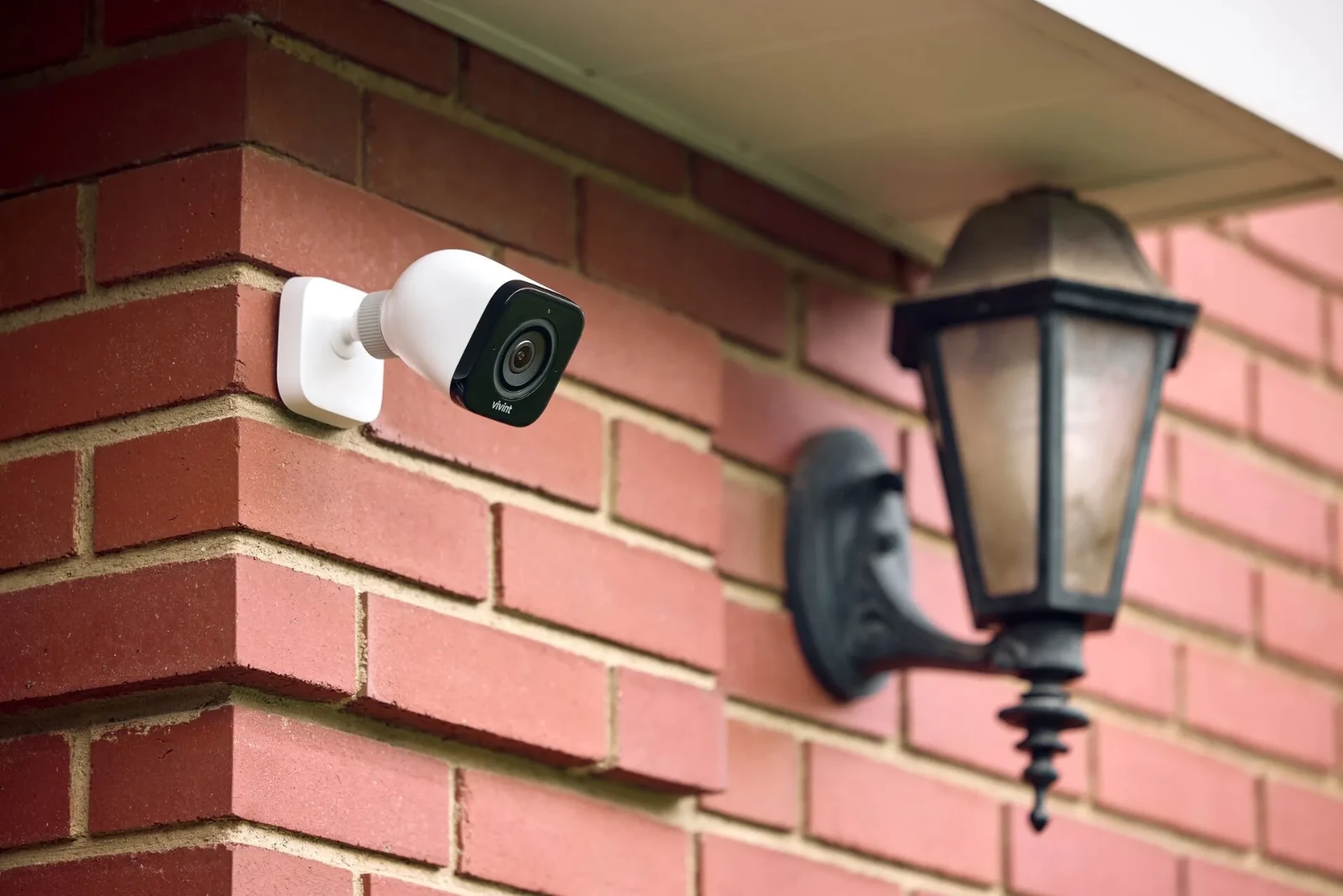
Exterior cameras help extend visibility beyond the front door to cover driveways, backyards, patios, and side access points. Evaluating outdoor conditions before choosing equipment helps ensure reliable placement and clear views.

Weather Resistance
Outdoor cameras are typically housed in protective enclosures designed for exterior exposure. Reviewing manufacturer guidance on rain, dust, temperature range, and sheltered placement under eaves helps match hardware to local climate conditions.
Entryway & Driveway Coverage
Positioning exterior cameras to overlook driveways, walkways, garages, and rear doors helps capture approach paths rather than only distant views, making it easier to observe vehicles and foot traffic entering the property.
Night Visibility
Exterior lighting changes significantly after sunset. Depending on the unit, cameras may rely on infrared illumination, ambient porch lights, or integrated spotlights where supported to improve nighttime clarity.
Wired vs. Wireless Options
Wired outdoor cameras draw continuous power and often use dedicated cables, which may suit permanent installations. Wireless or battery-powered models can simplify mounting in areas without nearby outlets, though batteries require periodic recharging.
Field of View
A wider field of view covers broader yard or driveway areas with fewer units, while a narrower angle focuses detail on specific gates or doors. Matching lens coverage to the target area helps avoid unnecessary blind spots.
Strategic Placement
Aiming cameras slightly downward avoids excessive sky exposure and lens glare from direct sunlight or headlights. Testing camera angles during both daytime and evening hours helps confirm consistent framing.
Explore Home Security Camera Installation Options
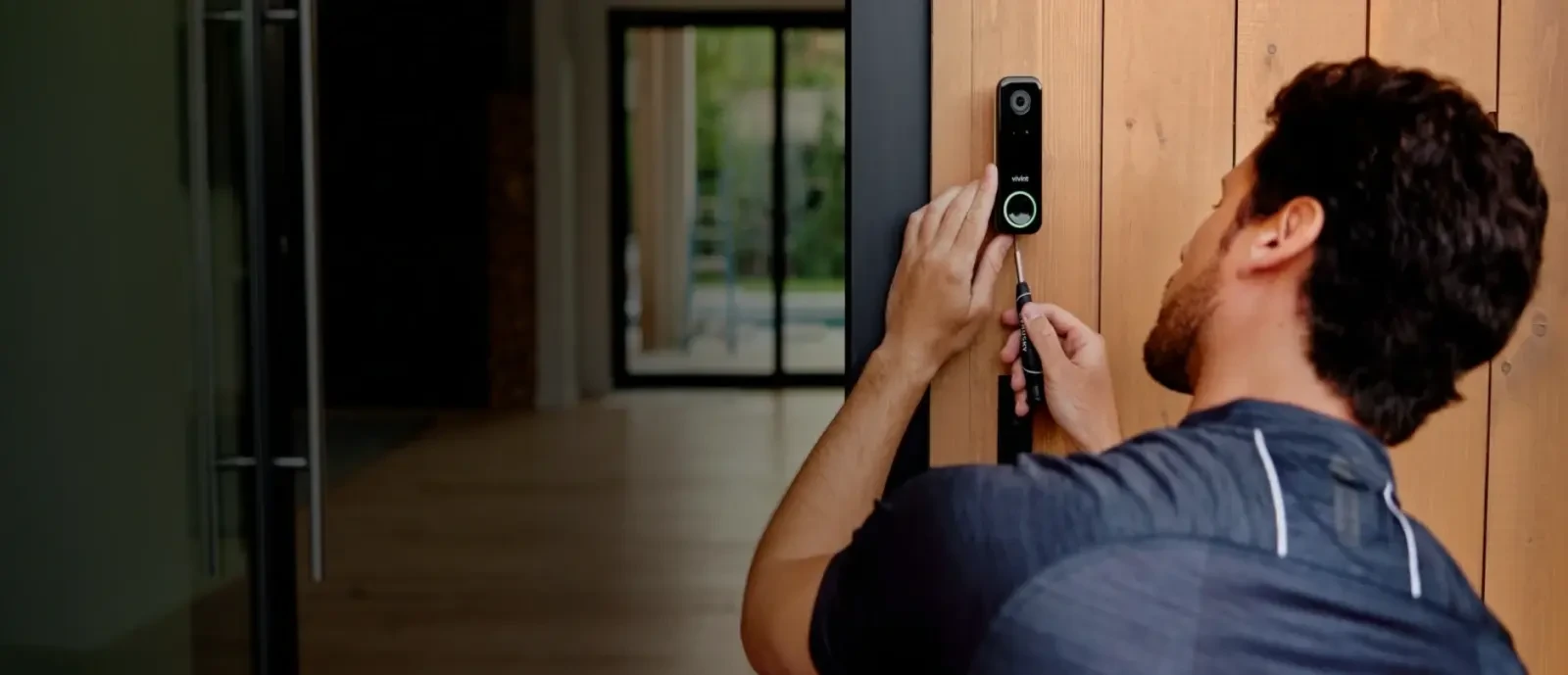
While some single-camera devices are designed for straightforward homeowner setup, multi-camera layouts, wired exterior runs, and integrated doorbell wiring often benefit from experienced installation. Professional installation may be available through an independent third-party home security service provider.
An installation consultation typically helps homeowners evaluate camera mounting heights, cable routing, power access, wireless signal coverage, and optimal viewing angles for their specific residence. All equipment options, installation availability, scheduling, and service terms are provided directly by the independent third-party provider.
Choosing the Right Camera System for Your Home
Homeowners typically weigh single-point monitoring against comprehensive multi-camera coverage. Comparing both approaches helps clarify which structure fits your property.
Individual Security Cameras
Individual cameras—such as a standalone video doorbell or a single indoor or exterior unit—focus on one high-priority location, such as a front porch, living room, or garage entrance.
- Targets a specific entrance or room without outfitting the entire property.
- Often easier to relocate if your monitoring priorities change.
- Can serve as an entry point for homeowners evaluating basic camera visibility.
- Leaves other sides of the home, secondary doors, and yards unmonitored.
- Multiple standalone units from different setups may require separate management if not unified.
Multi-Camera Security Systems
Multi-camera systems coordinate several indoor, outdoor, and entryway cameras together, providing broader visibility across multiple angles of a residence through a unified setup.
- Covers front, rear, and side access points along with driveways and common areas.
- Typically allows viewing and managing multiple camera feeds from one interface where supported.
- Well-suited for larger homes, corner lots, or properties with multiple entryways.
- Requires more upfront planning for camera placement, power access, and network capacity.
- Wired or multi-point exterior setups may benefit from professional installation services.
Frequently Asked Questions
Clear answers about residential camera types, installation availability, and how this informational resource operates.
1. What types of home security cameras are available?
Residential options generally include indoor cameras, outdoor weather-resistant cameras, smart video doorbells, and multi-camera systems. Models may operate via wired power, Power over Ethernet, or wireless battery configurations depending on the system selected.
2. What is the difference between indoor and outdoor security cameras?
Indoor cameras are built for climate-controlled interior spaces such as hallways and living areas. Outdoor cameras are designed with protective housings intended to withstand exterior conditions and often prioritize wider sightlines and night visibility for driveways, yards, and entryways.
3. What is a video doorbell camera?
A video doorbell camera is mounted at a home’s entrance in place of or alongside a standard doorbell. Depending on the model, it may allow homeowners to see visitors, receive motion or button-press alerts, and use two-way audio where supported.
4. Is professional installation available?
Yes, professional installation may be available through an independent third-party home security service provider. Availability, scheduling, equipment choices, and pricing can be discussed directly when inquiring by phone.
5. Who provides the installation services?
All commercial installation, equipment sales, monitoring, warranties, and customer support are provided exclusively by an independent third-party home security service provider, not by this website or the associated nonprofit organization.
6. Does the nonprofit directly install or monitor security systems?
No. Our nonprofit organization does not manufacture, sell, install, repair, or monitor home security camera systems. We provide educational resources and a referral phone line for visitors who wish to inquire with an independent provider.
7. Does the nonprofit receive commissions?
Our organization may receive commissions when visitors contact or purchase services from the independent third-party home security service provider through the dedicated phone number listed on this page.
8. How are commissions used?
100% of commission proceeds received by our nonprofit organization are donated to support our charitable activities, community programs, and nonprofit mission.
How the Referral Process Works
We want every visitor to understand how inquiries placed through this website are handled and how our nonprofit organization participates in this arrangement.
Explore Information
Visitors explore the home security camera guides, feature overviews, and installation information published on this website.
Call the Dedicated Number
Visitors who wish to learn more may call the dedicated phone number, (866) 679-4718, to inquire about available services.
Independent Service Delivery
All installation and related commercial services are handled exclusively by an independent third-party home security service provider.
Direct Provider Terms
The independent third-party provider is responsible for discussing products, pricing, installation, warranties, and ongoing customer service.
Referral Commissions
Our nonprofit organization may receive commissions when visitors contact or purchase services from the independent provider through this arrangement.
100% Donated Proceeds
100% of commission proceeds received by our nonprofit organization are donated to support its charitable activities and nonprofit mission.
About Our Nonprofit Mission & Transparency
This website is associated with a nonprofit organization dedicated to providing clear, accessible informational resources alongside supporting its charitable work. Our organization is not a home security company and does not manufacture, sell, install, repair, or monitor home security camera systems or equipment.
Commercial home security systems and installation services discussed in response to phone inquiries are offered and performed solely by an independent third-party home security service provider. When a visitor chooses to inquire about or purchase services through the dedicated phone number listed on this page, our nonprofit organization may receive referral commissions. Customer payments for equipment or installation go to the independent service provider under its own commercial terms; 100% of the commission proceeds received by our nonprofit organization are donated to support our charitable activities, community programs, and nonprofit mission.
Legal and Referral Transparency Notice
Our organization provides informational resources about home security camera systems and installation options. The installation and related commercial services described on this website are provided by an independent third-party home security service provider. Our nonprofit organization does not own, operate, or directly provide these installation services. Visitors may use our dedicated phone number to inquire about the independent provider’s services. Our organization may receive commissions through this arrangement. 100% of commission proceeds received by our organization are donated to support our charitable activities, community programs, and nonprofit mission. The independent service provider is responsible for its own products, installation services, pricing, warranties, customer support, and contractual obligations. Visitors should confirm all service details, pricing, terms, and conditions directly with the independent service provider before making a purchase.